
Tourmaline
Tourmaline is the most chemically varied gemstone — a family of complex boron silicates that comes in literally every color, sometimes two colors in the same crystal. The trade uses both species names (elbaite, dravite, schorl) and color names (rubellite, indicolite, chrome) interchangeably.
- 1
- 2
- 3
- 4
- 5
- 6
- 7
- 8
- 9
- 10
Everyday wear comfortably wants a 7+. Below 7, choose settings that protect the stone (bezel, halo) and store the piece carefully.
It’s right at the daily-wear threshold. Bezels and protected halos are wise; high-prong settings are workable but accept some prong maintenance.
The named varieties
| Color | Notes | |
|---|---|---|
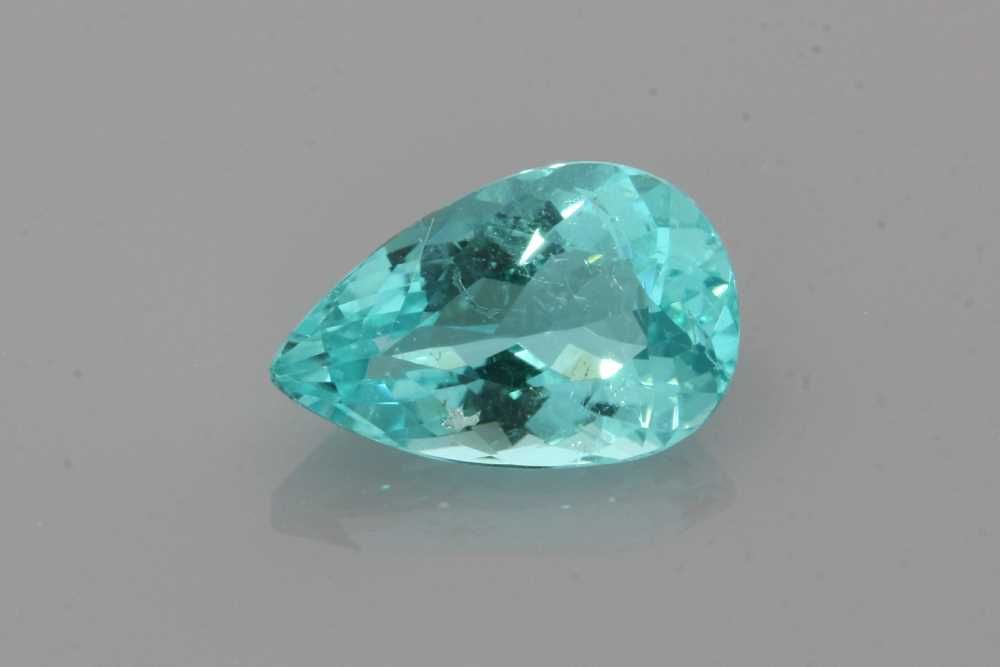
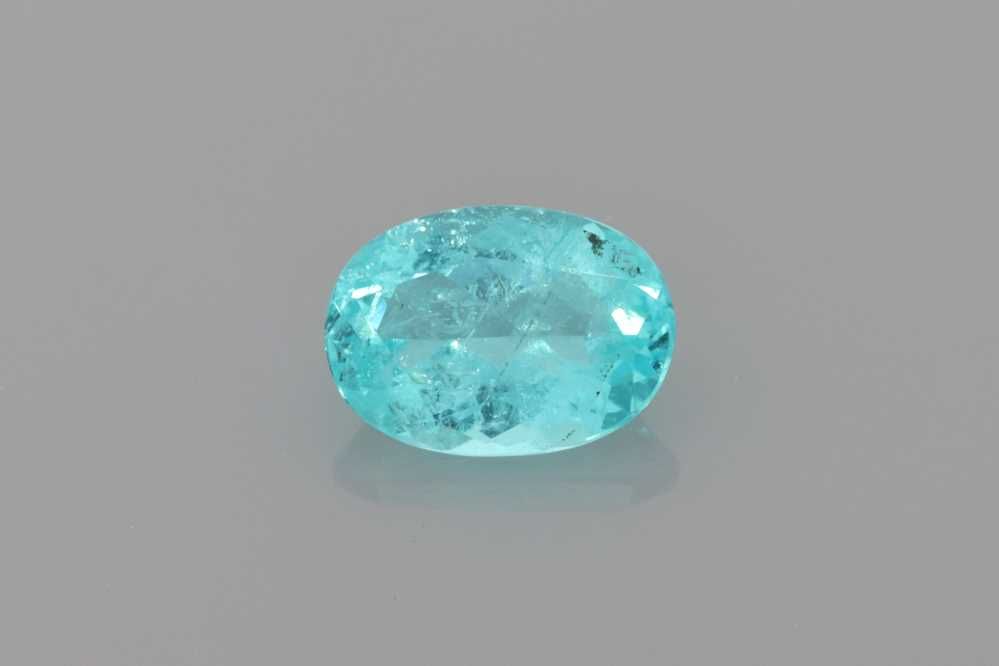
| Paraíba | Neon blue to green-blue | The most valuable tourmaline. Copper-bearing, originally from Paraíba, Brazil (1989). African Paraíba-type stones from Mozambique and Nigeria sell at lower-but-still-significant prices. |
| Rubellite | Vivid red to pink | The trade name for the strongest red/pink tourmaline. Often paired with diamond accents. |
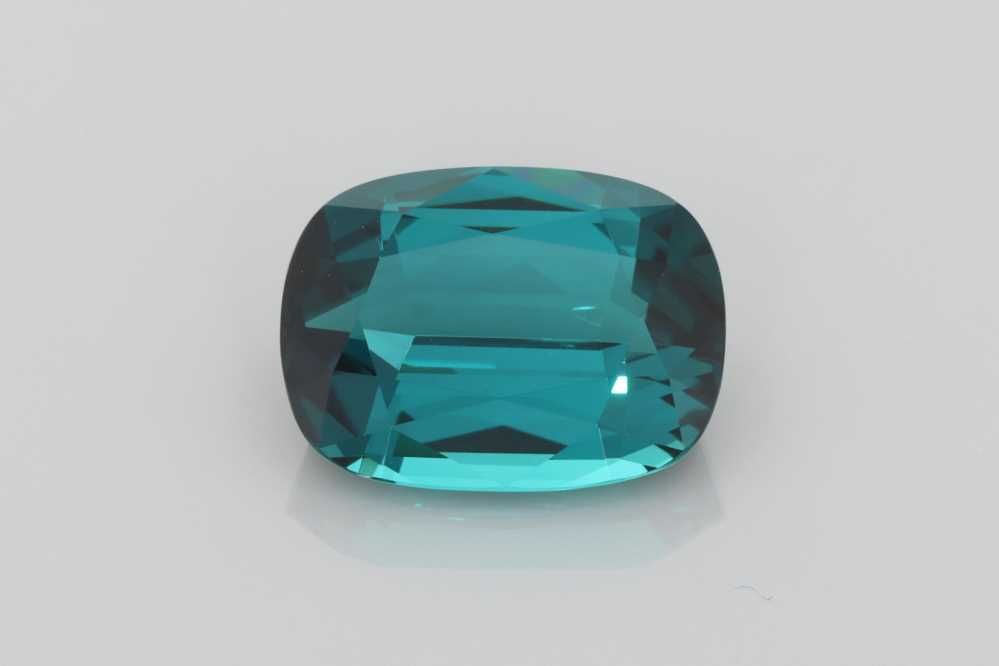
| Indicolite | Blue to teal-blue | Pure-blue tourmaline; relatively rare. Frequently confused with sapphire by buyers, but priced very differently. |
| Chrome tourmaline | Vivid green | Tanzanian; rich green from chromium. The 'green emerald alternative.' |
| Watermelon | Pink center, green outer rim (or vice versa) | Bi-color tourmaline cut to show both. Distinctive, often sliced as 'wafer' cuts to display the color zoning. |
| Bi-color | Two distinct color zones | Common in tourmaline. Watermelon is the famous version; pink-green and pink-blue also occur. |
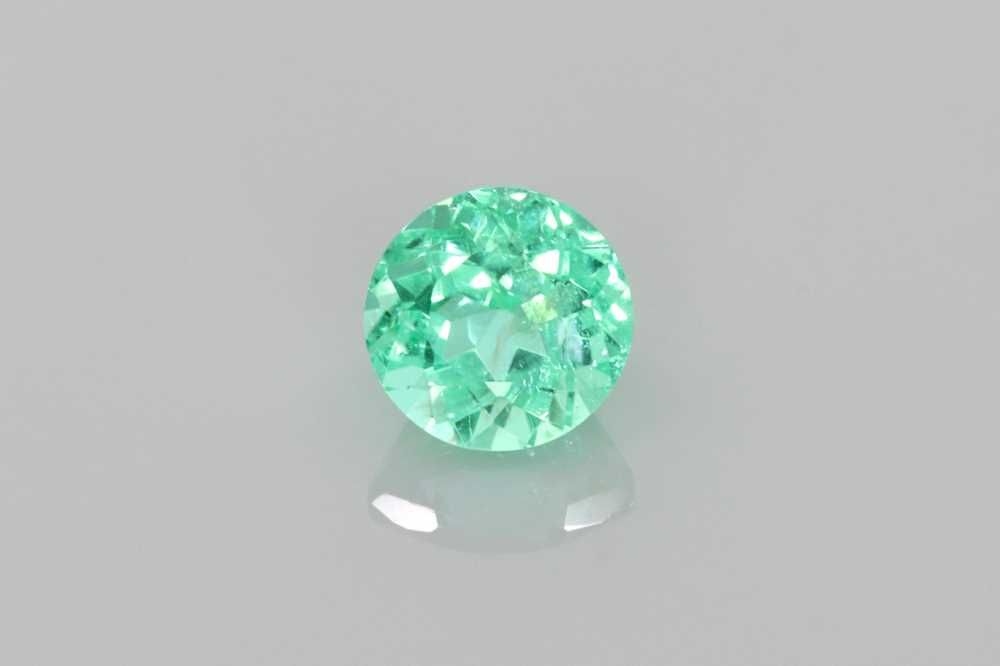
| Pink, peach, mint, yellow | Mid-tier saturation | Affordable approaches to color. Pink and peach tourmaline are particularly popular for delicate jewelry. |
Paraíba
Worth its own section. Paraíba tourmaline is a copper-bearing variety discovered in 1989 in the eponymous Brazilian state. The color is genuinely unlike any other gemstone — a glowing electric blue or turquoise-green that almost reads neon. Stones over 1 ct in fine color can exceed $20,000 per carat.
In 2001 nearly-identical copper-bearing tourmaline was found in Nigeria and Mozambique. The trade allows both to be sold as “Paraíba-type” or simply “Paraíba tourmaline.” African stones are typically softer in saturation and priced 50–80 % below Brazilian, but the gap narrows when comparing top-end material.
A lab report should disclose origin for any Paraíba purchase.
Treatments
Most tourmaline is sold untreated. The common exceptions:
- Heat treatment — some Paraíba and pink tourmaline is heated to improve saturation. Permanent, accepted, disclosed on lab reports.
- Clarity enhancement — fracture filling shows up on cheaper material. Trade-disclosed; avoid for fine jewelry.
Shop tourmaline pieces
Frequently asked
More from the gemstones guides
Written by
Anna
Jeweler · Formi Jewelry
Anna works with Formi clients on stone selection, setting design, and fit — making sure every piece is right before it’s made.
Book a consultation with our in-house jewelersLast updated May 2026