
Tanzanite
Tanzanite is the violet-blue variety of zoisite, discovered in 1967 at a single location in northern Tanzania — the only commercial source on Earth. Tiffany & Co. named it (the mineral’s real name is “blue zoisite” which they reasonably thought sounded too much like “suicide”) and launched it as a global gemstone within years of discovery.
- 1
- 2
- 3
- 4
- 5
- 6
- 7
- 8
- 9
- 10
Everyday wear comfortably wants a 7+. Below 7, choose settings that protect the stone (bezel, halo) and store the piece carefully.
The single source is approaching exhaustion — geological surveys suggest 20–30 years of remaining commercial supply at current extraction rates. Tanzanite is one of the few gemstones with a genuine impending-scarcity story rather than marketing rhetoric.
Trichroism
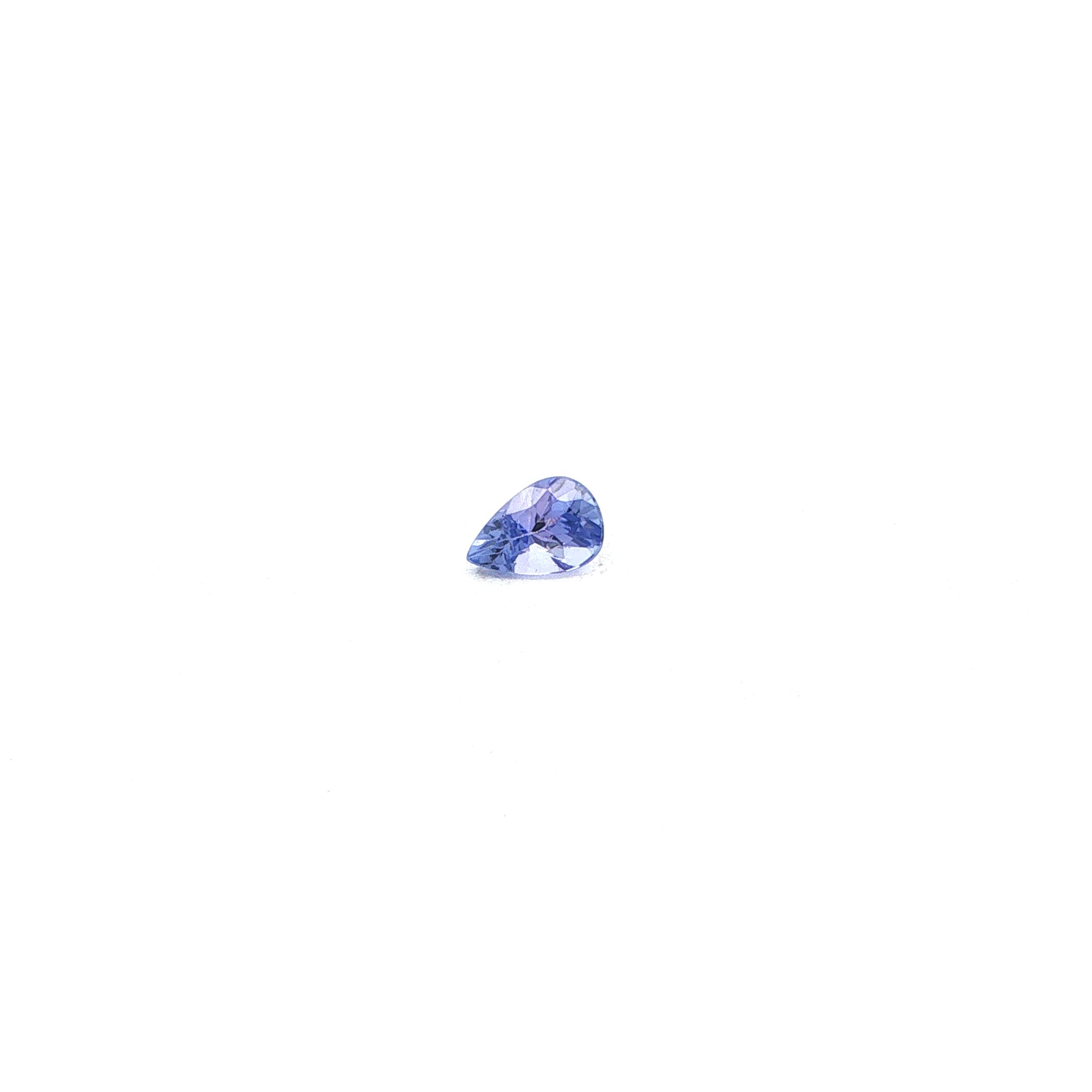
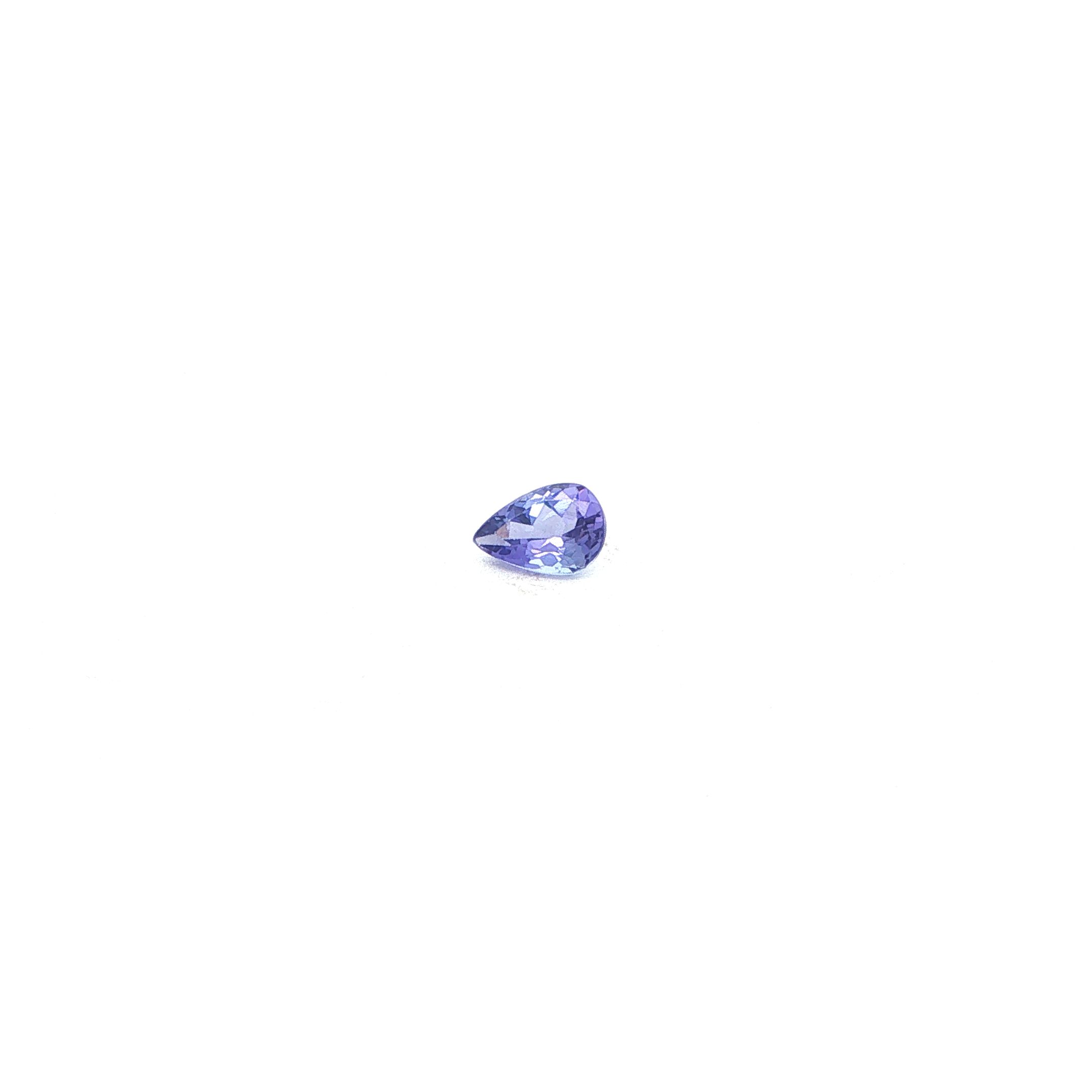
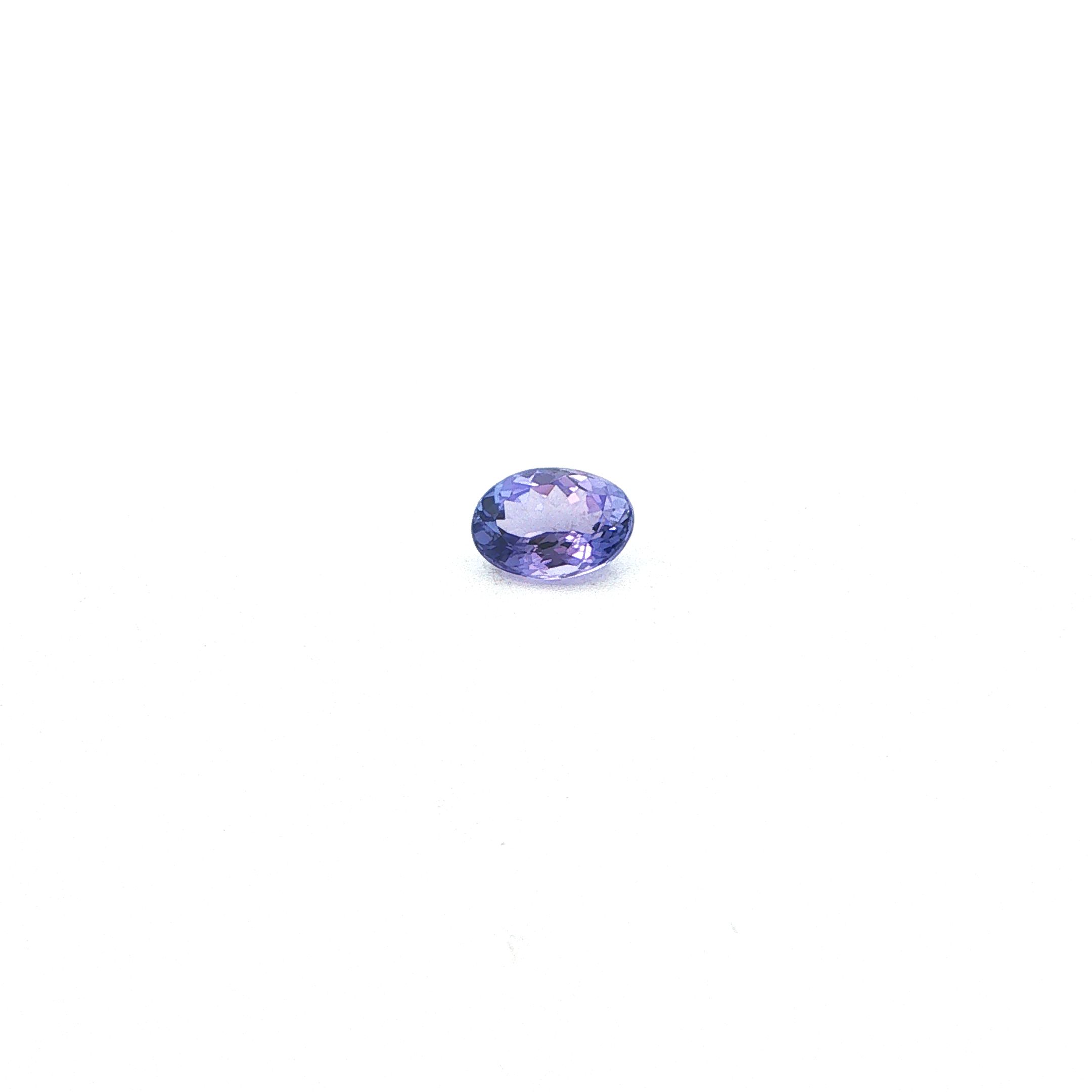
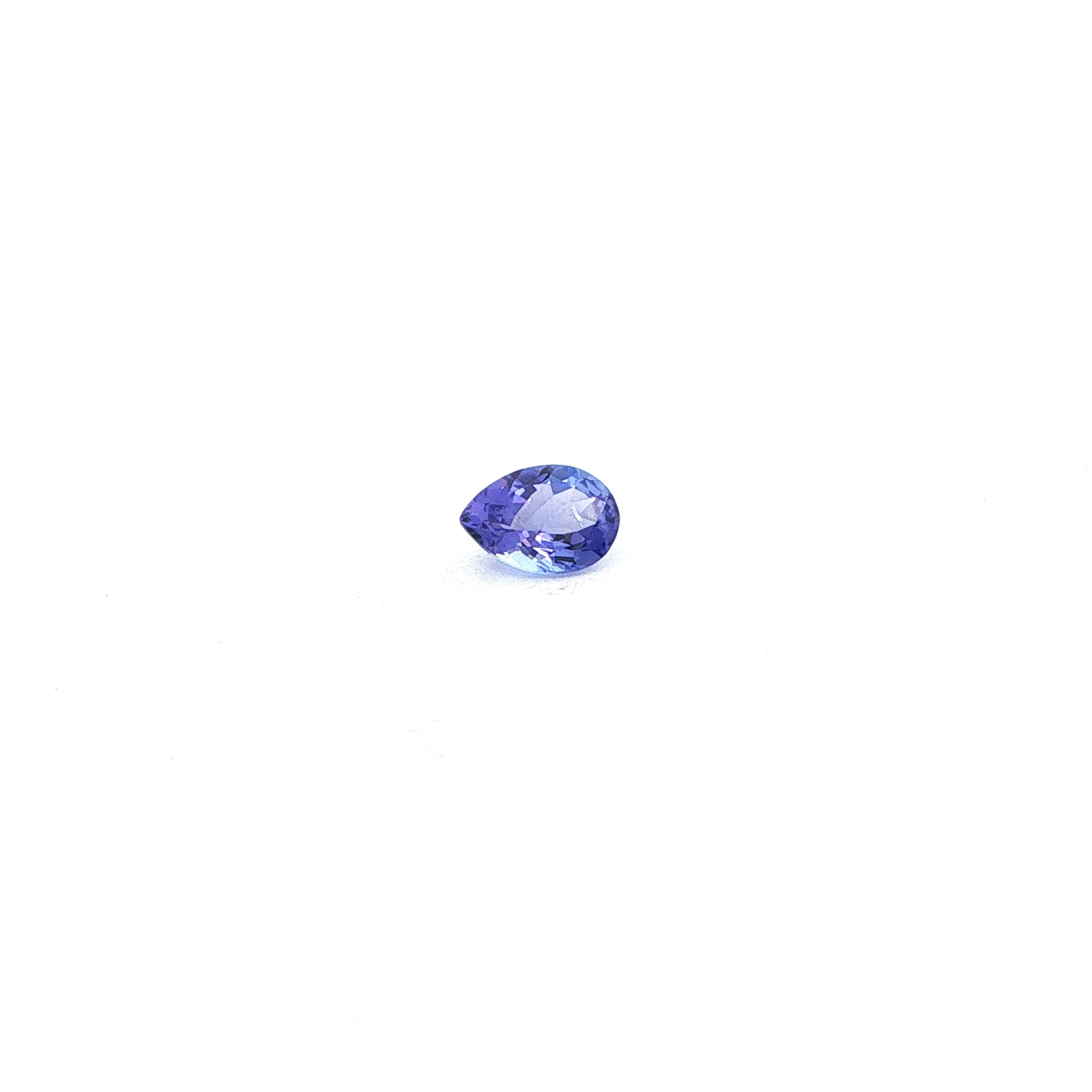
Tanzanite is strongly trichroic — it shows three different colors depending on the angle of view: violet-blue, blue, and burgundy. The cutter chooses which color to feature when orienting the rough, which is why almost all faceted tanzanite is cut to maximize the blue-violet view (the most prized).
Treatments
Nearly all commercial tanzanite is heat-treated. Rough comes out of the ground brownish or with a green modifier; gentle heating (around 500°C) removes the brown and locks in the violet-blue. The treatment is permanent, undetectable by standard testing, and trade-accepted — “untreated tanzanite” is largely a marketing fiction at this point because heating is so universal.
Daily wear
At Mohs 6.75, tanzanite is softer than you want for daily wear in exposed settings. It also has perfect cleavage — the same property that helps the cutter orient the rough makes the finished stone vulnerable to sharp impact. Two safer applications:
- Earrings and pendants — no impact risk.
- Occasional-wear rings in bezels or protective halos.
For an engagement ring, choose sapphire in the same color family instead unless the personal meaning of tanzanite justifies the trade-off.
Gem zoisite
Tanzanite is, mineralogically, the blue-violet variety of zoisite — the trade name “tanzanite” was coined by Tiffany & Co. in 1968 because “blue zoisite” sounded too close to “blue suicide.” The same mineral appears in two other forms you may meet: anyolite (opaque green zoisite shot through with ruby crystals, used for carvings and cabochons) and thulite (a pink-to-rose manganese-bearing zoisite). Gem-transparent zoisite, though, is essentially always tanzanite, so we file the whole zoisite family here.
Shop tanzanite pieces
Frequently asked
More from the gemstones guides
Written by
Anna
Jeweler · Formi Jewelry
Anna works with Formi clients on stone selection, setting design, and fit — making sure every piece is right before it’s made.
Book a consultation with our in-house jewelersLast updated May 2026