
Sapphire
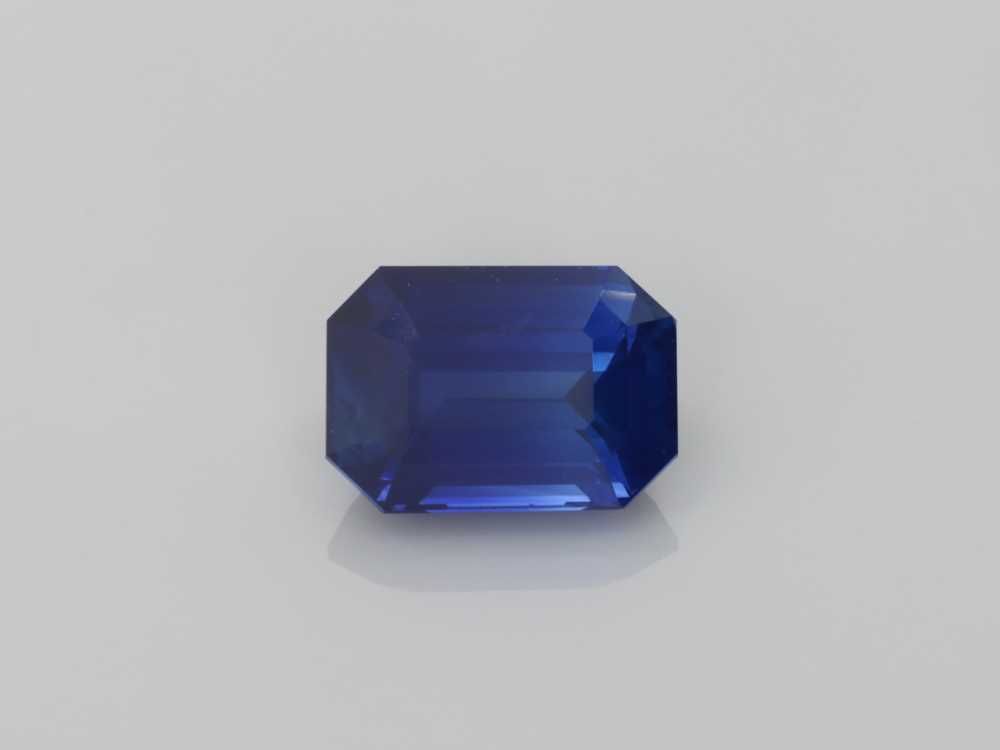
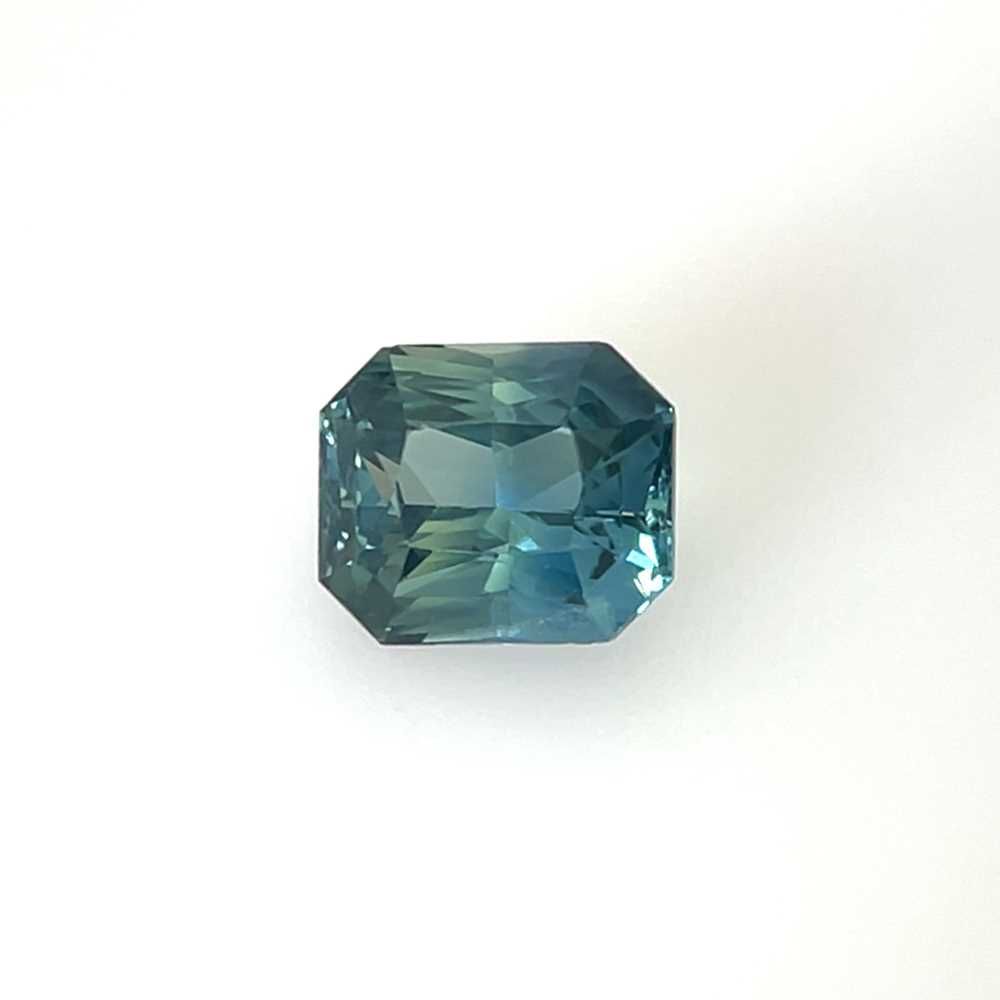
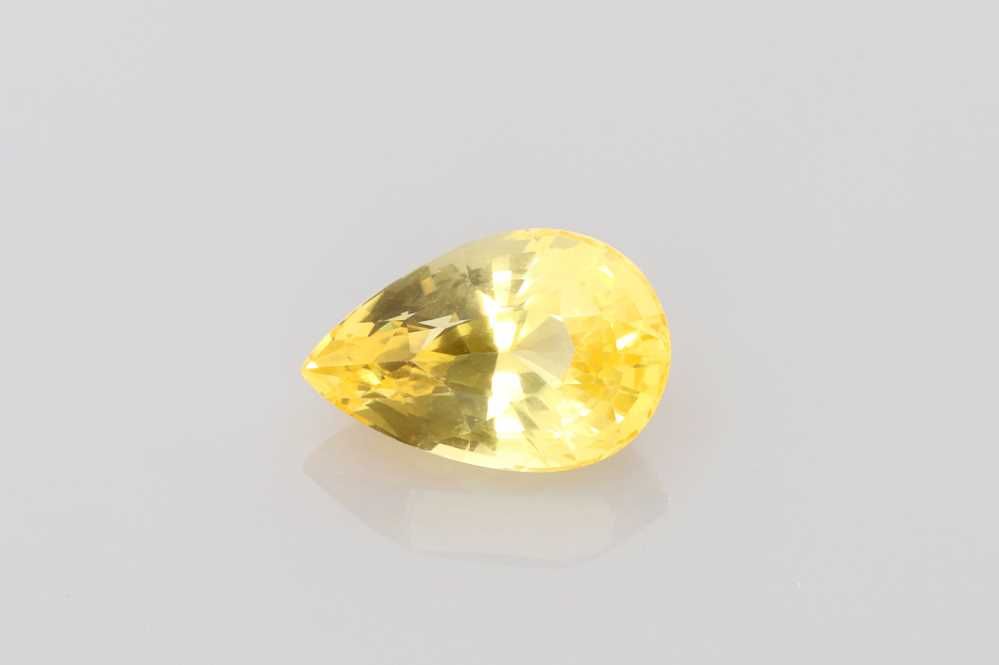
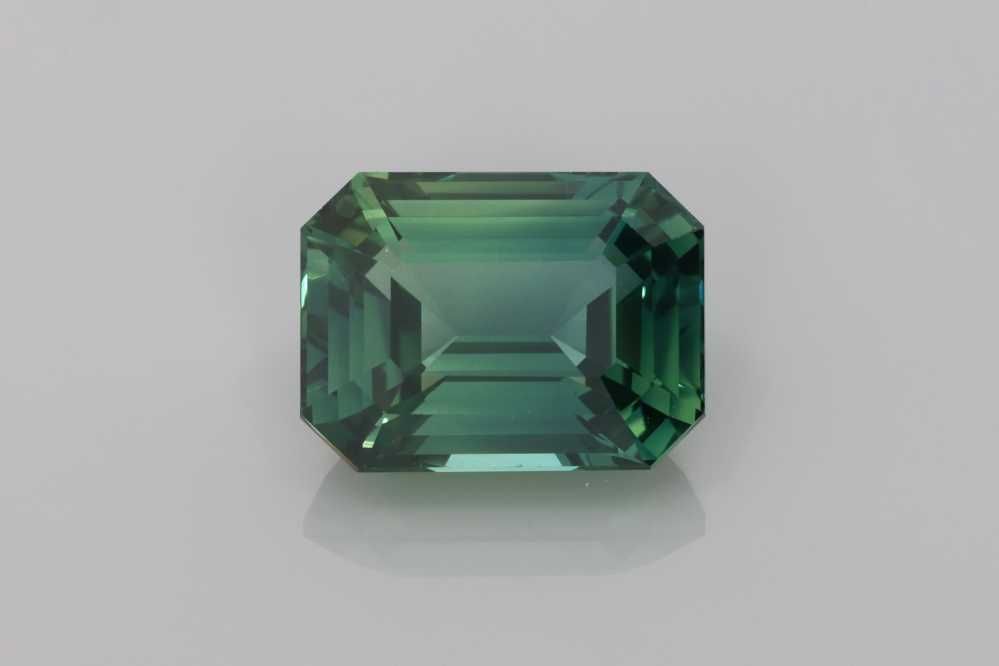
Sapphire is corundum — aluminum oxide — colored by trace elements. The gem trade reserves "ruby" for red corundum; everything else corundum is sapphire, despite the popular assumption that sapphire is always blue. Pink, yellow, green, purple, orange, white, and the famously rare padparadscha (pink-orange) are all sapphires.
After diamond, it’s the hardest gemstone you can wear daily.
- 1
- 2
- 3
- 4
- 5
- 6
- 7
- 8
- 9
- 10
Everyday wear comfortably wants a 7+. Below 7, choose settings that protect the stone (bezel, halo) and store the piece carefully.
Color
Blue sapphire is the icon, but a good buyer knows the full palette.
Origin
Origin matters for sapphire pricing more than for any other gem except emerald. The same color from a different country can swing the price 3×.
| Color profile | Notes | |
|---|---|---|
| Kashmir | Velvety cornflower blue | Tiny supply, top of the market — most Kashmir sapphires changing hands today are estate pieces. |
| Burma (Myanmar) | Rich royal blue | Politically constrained supply. Burmese stones command a premium when ethically sourced. |
| Sri Lanka (Ceylon) | Bright cornflower to medium blue | The everyday luxury origin — most fine sapphires on the market are Ceylon. |
| Madagascar | Wide range; competes with Ceylon | Most growing supply; excellent value at the mid-market. |
| Australia / Thailand | Darker, often inky blue | Affordable; ideal for daily-wear pieces where character is more important than top-of-market value. |
| Montana (USA) | Teal, blue-green, steel blue | Fully traceable. Has become the favorite for ethically-anchored engagement rings. |
Treatments
Almost all sapphire is heat-treated to improve color and clarity. This is a permanent, stable treatment that’s been used for thousands of years and is fully accepted by the trade.
Things to watch for:
- Beryllium diffusion changes the color near the surface only. Refacets expose the untreated body color. Always disclosed on the report.
- Lattice or fissure filling (lead glass, for example) is common on very cheap rubies/sapphires. The stone is structurally compromised — ultrasonic cleaning will damage it. Avoid for fine jewelry.
- Unheated sapphires of fine color carry a 30–100 % premium. Worth it if the color is genuinely top — not worth it if you’re paying the premium for a mediocre stone that happens to be unheated.
Daily wear
At 9 on the Mohs scale, sapphire is rugged enough for an engagement ring you’ll wear every day for fifty years. The only stone harder is diamond. You can clean it in warm soapy water with a soft brush; ultrasonic cleaners are fine for unfilled stones.
The setting will fail before the sapphire does.
Shop sapphire pieces
Frequently asked
More from the gemstones guides
Written by
Anna
Jeweler · Formi Jewelry
Anna works with Formi clients on stone selection, setting design, and fit — making sure every piece is right before it’s made.
Book a consultation with our in-house jewelersLast updated May 2026