
Ruby
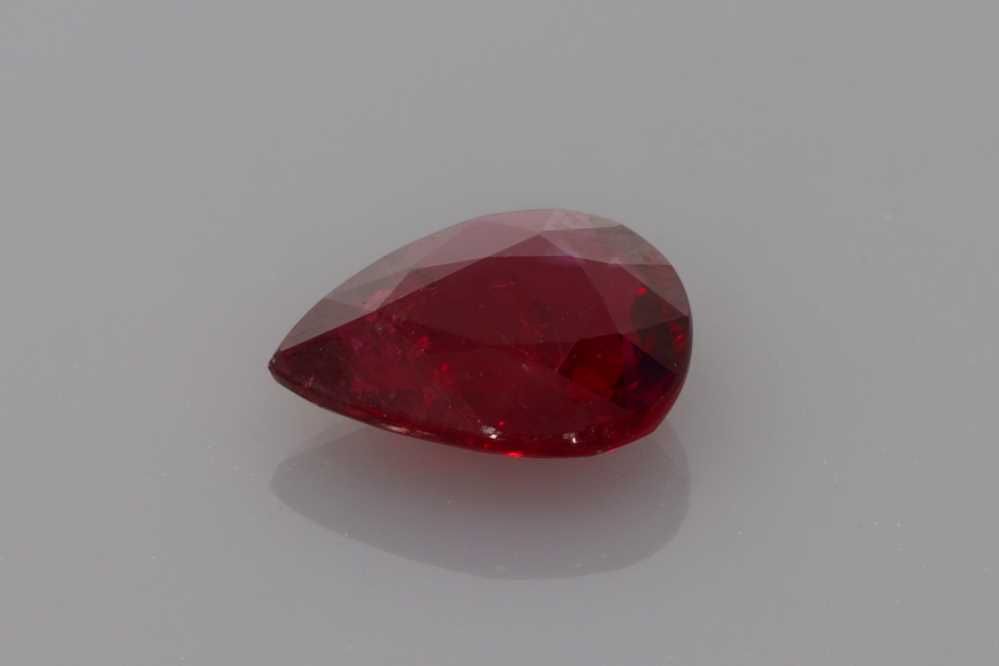
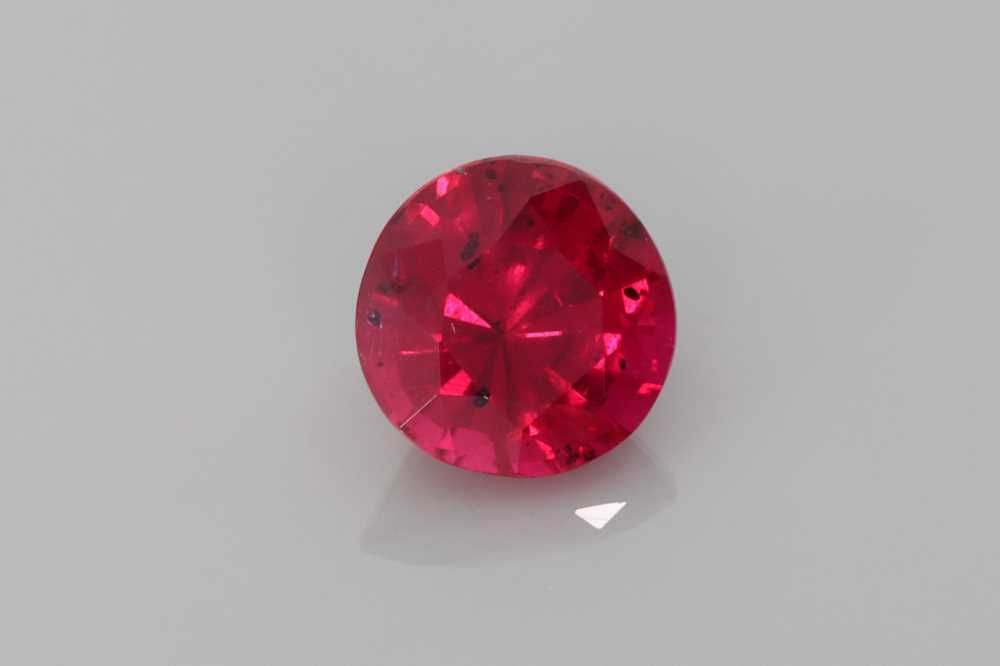
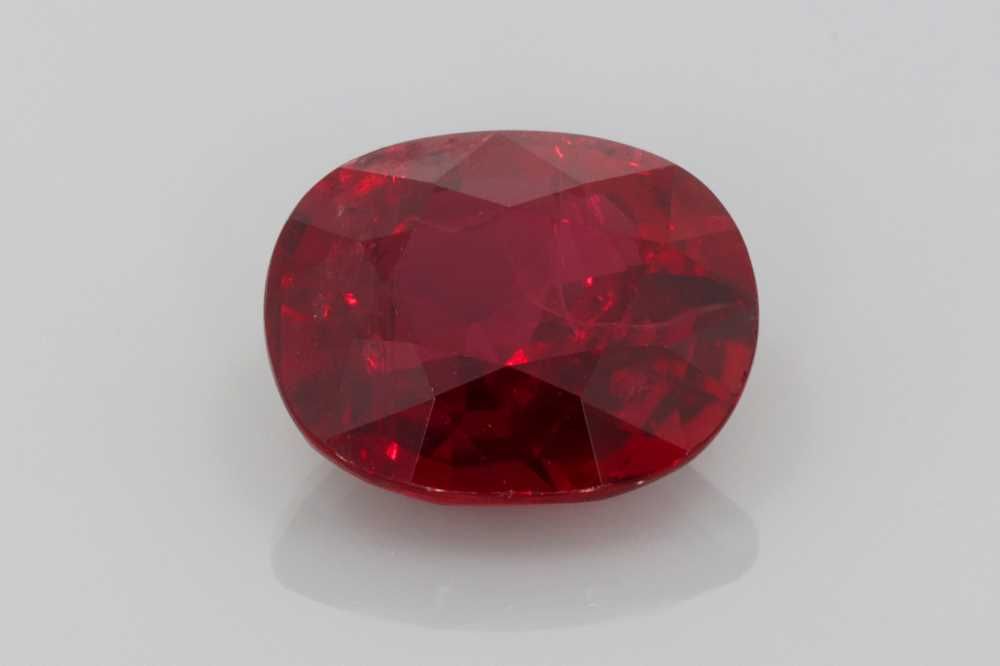
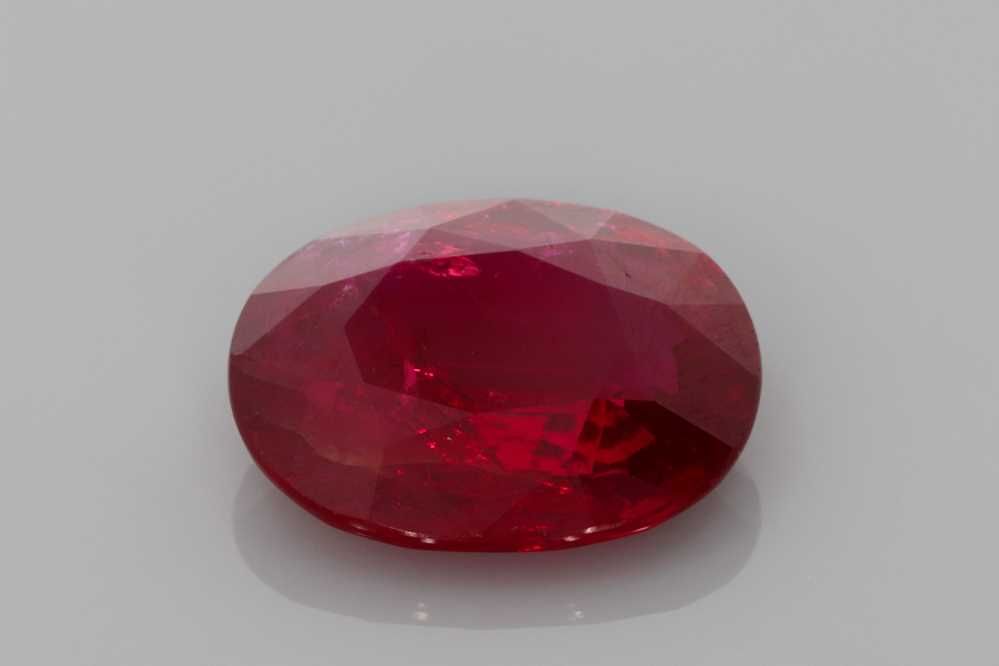
Ruby is red corundum — aluminum oxide colored by chromium. By convention, the trade calls anything other than red corundum a “sapphire,” even if it’s pink. The line between “pink sapphire” and “ruby” is judgmental and the subject of decades of trade arguments.
- 1
- 2
- 3
- 4
- 5
- 6
- 7
- 8
- 9
- 10
Everyday wear comfortably wants a 7+. Below 7, choose settings that protect the stone (bezel, halo) and store the piece carefully.
After diamond, only ruby and sapphire are hard enough for true daily wear. A ruby engagement ring will outlive its setting.
Color
Color is the entire ballgame in ruby. Two stones at the same carat weight can vary 10× in price based on color alone.
The four color modifiers the trade cares about:
- Pure red — the ideal.
- Slightly bluish red — the “pigeon’s blood” range, most prized.
- Slightly purplish red — common, accepted.
- Orangish or brownish red — discounted.
Origin
Ruby is even more origin-sensitive than sapphire. Three regions dominate fine ruby pricing:
| Color profile | Trade position | |
|---|---|---|
| Burma (Mogok) | Vivid pigeon's blood | The reference. Mogok rubies set the market. |
| Burma (Mong Hsu) | Darker, often requires more aggressive treatment | Mid-tier. Watch for heavy heat or fissure filling. |
| Mozambique | Vivid red, can rival Burmese | The everyday luxury origin. Excellent value for high color. |
| Madagascar | Wide range; competes with Mozambique | Growing supply; good mid-market value. |
| Thailand | Often darker, with brownish overtones | Affordable. Most "Thai ruby" today was actually cut in Thailand from rough sourced elsewhere. |
| Tanzania (Winza) | Bright red, sometimes with purplish notes | Niche. A specialist origin. |
Treatments
Like sapphire, most ruby is heated to improve color and clarity. Heat is permanent, stable, and accepted by the trade. The danger zone is “lead glass filling” — a common treatment on cheap material where lead glass is melted into surface-reaching fractures. These stones are structurally compromised and will not survive ultrasonic cleaning or hot soldering. The trade doesn’t consider them “real” ruby for fine jewelry.
Always insist on a lab report disclosing treatments. “Heat only” is fine. “Glass filling” or “significant fissure filling” is a hard pass for an engagement ring or any piece you intend to keep.
Daily wear
At Mohs 9, ruby is the second-hardest gemstone after diamond. Wear it daily without ceremony. Clean it in warm soapy water with a soft brush. Skip ultrasonics if the stone is lead-glass-filled; otherwise they’re fine.
Shop ruby pieces
Frequently asked
More from the gemstones guides
Written by
Anna
Jeweler · Formi Jewelry
Anna works with Formi clients on stone selection, setting design, and fit — making sure every piece is right before it’s made.
Book a consultation with our in-house jewelersLast updated May 2026