
Alexandrite
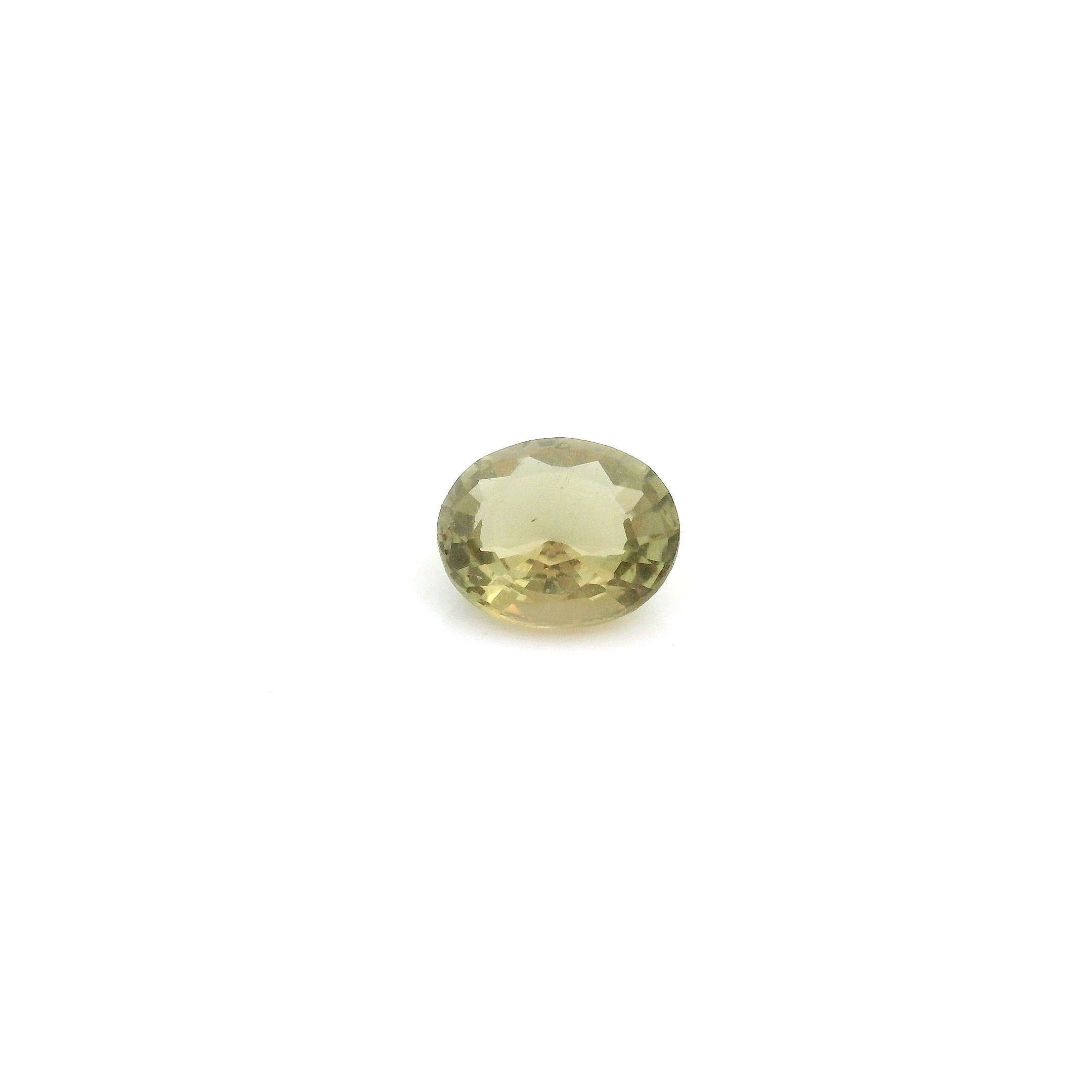
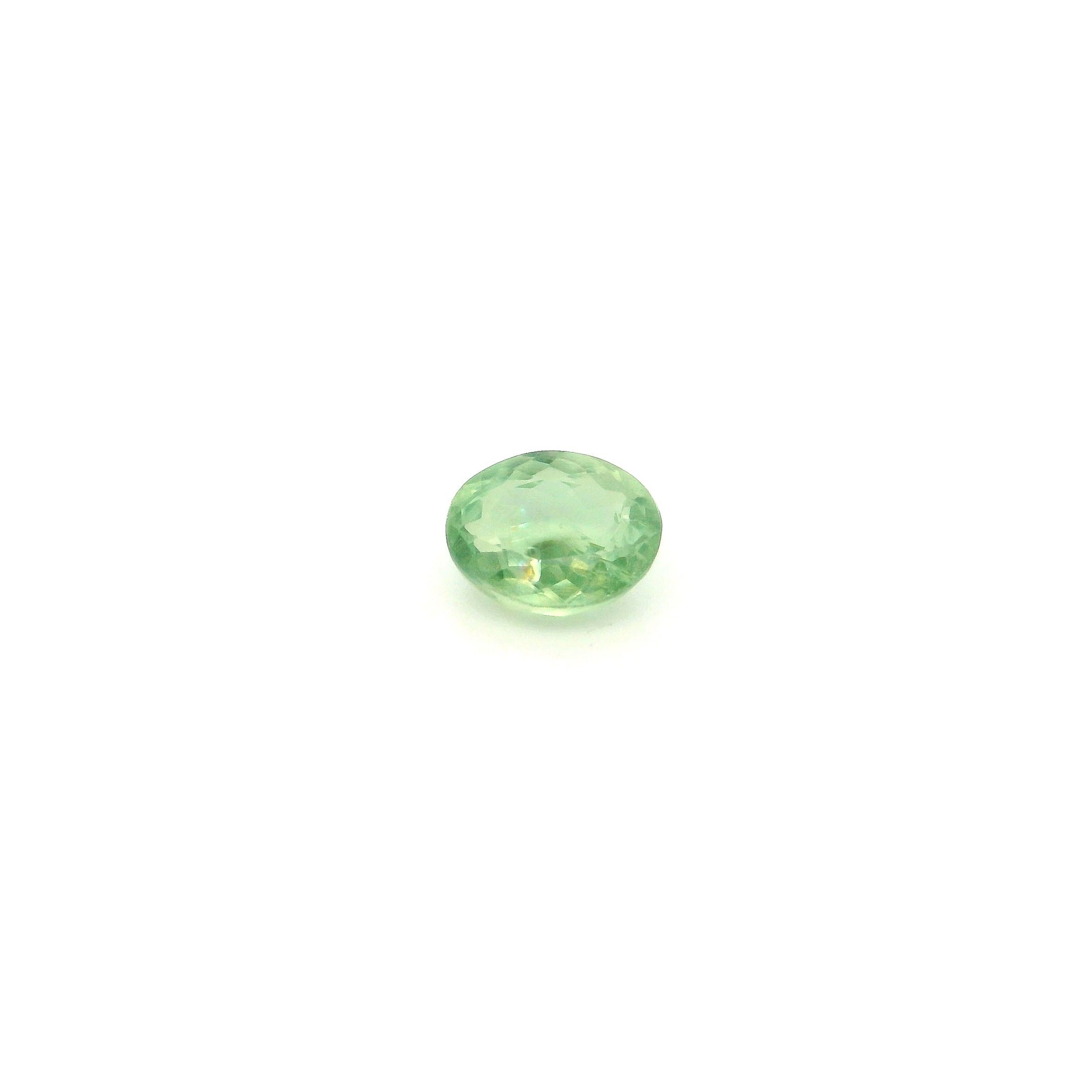
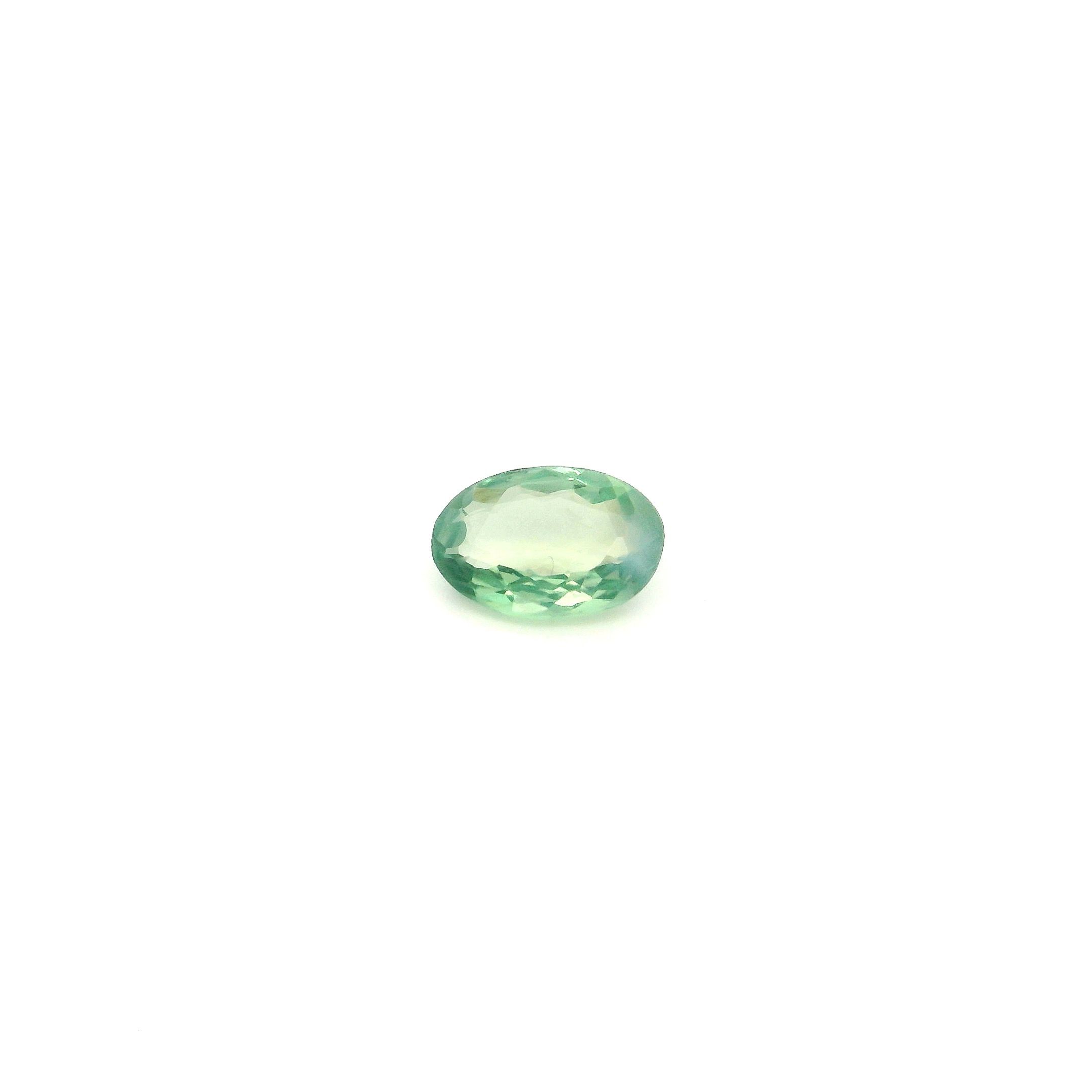
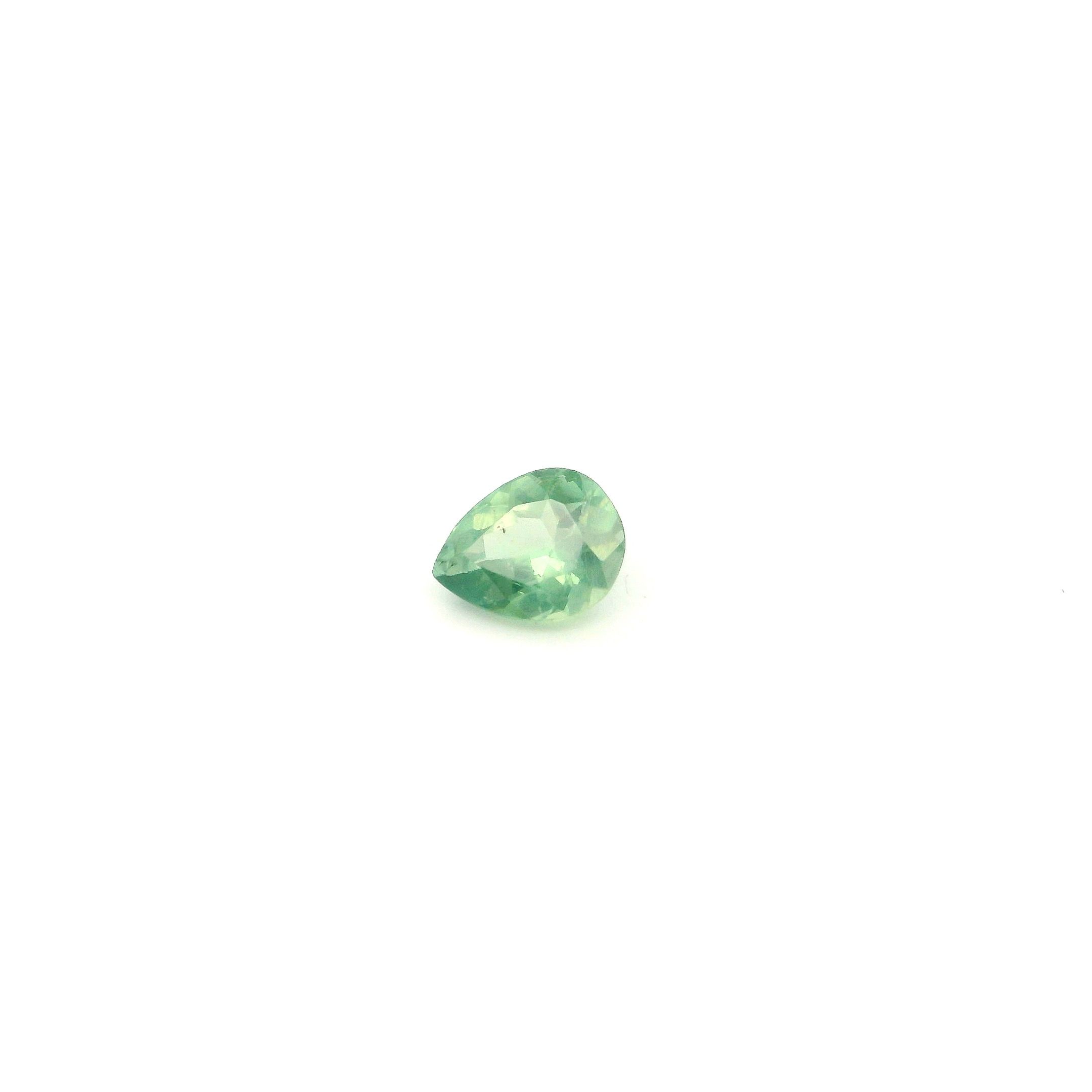
Alexandrite is a chromium-bearing variety of chrysoberyl that does something almost no other gem does: it changes color depending on the light source. In daylight (or fluorescent light) it reads green to bluish-green. Under incandescent light or candlelight, it shifts to red, raspberry, or purple-red. The phrase the trade uses is “emerald by day, ruby by night.”
- 1
- 2
- 3
- 4
- 5
- 6
- 7
- 8
- 9
- 10
Everyday wear comfortably wants a 7+. Below 7, choose settings that protect the stone (bezel, halo) and store the piece carefully.
It’s also one of the rarest gemstones on earth. Top-color natural alexandrite over a carat can cost more per carat than diamond.
The color change
The shift is a real optical phenomenon caused by chromium absorbing different wavelengths in different light. Not all chrysoberyl with a green-to-red shift is alexandrite — there’s a quality scale:
| Shift quality | What you see | |
|---|---|---|
| 100% color change | Vivid green ↔ vivid red | Top-of-market. Almost mythical at gem grade. |
| 60–85% change | Strong green ↔ strong red-purple | Fine-quality natural alexandrite. The trade standard. |
| 40–60% change | Olive-green ↔ brownish-red | Mid-tier. Honest sellers describe these as "weak color change." |
| Under 40% | Subtle shift; might read teal ↔ purple | Technically alexandrite, but the trade would call this "color-shift chrysoberyl." |
Origin
- Ural Mountains, Russia — the original deposit (1830s), and the reference. Russian alexandrite shows the famous “raspberry red” in candlelight. Vanishingly rare today; estate stones dominate the market.
- Brazil (Hematita) — a 1987 find that produces strong color change. The current source of most fine new alexandrite.
- Sri Lanka — produces larger crystals but typically with a less dramatic shift (often teal ↔ purple rather than green ↔ red).
- East Africa (Tanzania, Madagascar) — newer deposits, variable quality.
A lab report should disclose origin; for top-tier stones (over 1 ct with strong color change), Russian or Brazilian origin doubles or triples the price.
Natural vs lab-grown
Lab-grown alexandrite has existed since the 1960s. It’s chemically identical and shows full color change. Two practical notes:
- The 1960s-era flame-fusion stones (often called “Czochralski alexandrite”) tend to look slightly too perfect — clean crystals with very saturated color, lacking the subtle inclusions natural alexandrite carries.
- Modern hydrothermal lab alexandrite is harder to distinguish from natural without lab testing, but it’s priced at 5–10 % of natural.
The market for lab-grown alexandrite is small; most buyers who want alexandrite want the rarity story that lab-grown specifically lacks.
Daily wear
At 8.5 Mohs, alexandrite is hard enough for daily wear. It’s tougher than emerald, gentler than sapphire. The setting will fail before the stone does.
Standard care: warm soapy water and a soft brush. Ultrasonic and steam cleaners are safe for natural untreated alexandrite, but skip them on any stone with significant inclusions.
Chrysoberyl & cat’s-eye
Alexandrite is the color-change variety of chrysoberyl — a tough, Mohs-8.5 beryllium aluminum oxide that is one of the most durable colored stones in the case. The same mineral gives two other gems: ordinary chrysoberyl, a clean yellow-to-green stone (durable and underrated), and the prized cat’s-eye chrysoberyl (cymophane), whose silky band of light glides across the dome like a slit pupil — the original “cat’s-eye” against which every other chatoyant gem is measured. All three share alexandrite’s hardness and toughness.
Shop alexandrite pieces
Frequently asked
More from the gemstones guides
Written by
Anna
Jeweler · Formi Jewelry
Anna works with Formi clients on stone selection, setting design, and fit — making sure every piece is right before it’s made.
Book a consultation with our in-house jewelersLast updated May 2026