
Citrine
Citrine is the yellow-to-orange variety of quartz. Naturally-colored citrine is geological coincidence — amethyst that was warmed underground over millennia to a temperature that turned its iron content the right shade of yellow. The trade reproduces that process commercially by heating amethyst from a few mines to about 470°C, which is the source of nearly all citrine on the market.
- 1
- 2
- 3
- 4
- 5
- 6
- 7
- 8
- 9
- 10
Everyday wear comfortably wants a 7+. Below 7, choose settings that protect the stone (bezel, halo) and store the piece carefully.
The heat treatment is permanent, indistinguishable from natural with standard testing, and trade-accepted. “Natural unheated” citrine commands modest premium pricing but isn’t dramatically different in appearance.
Color
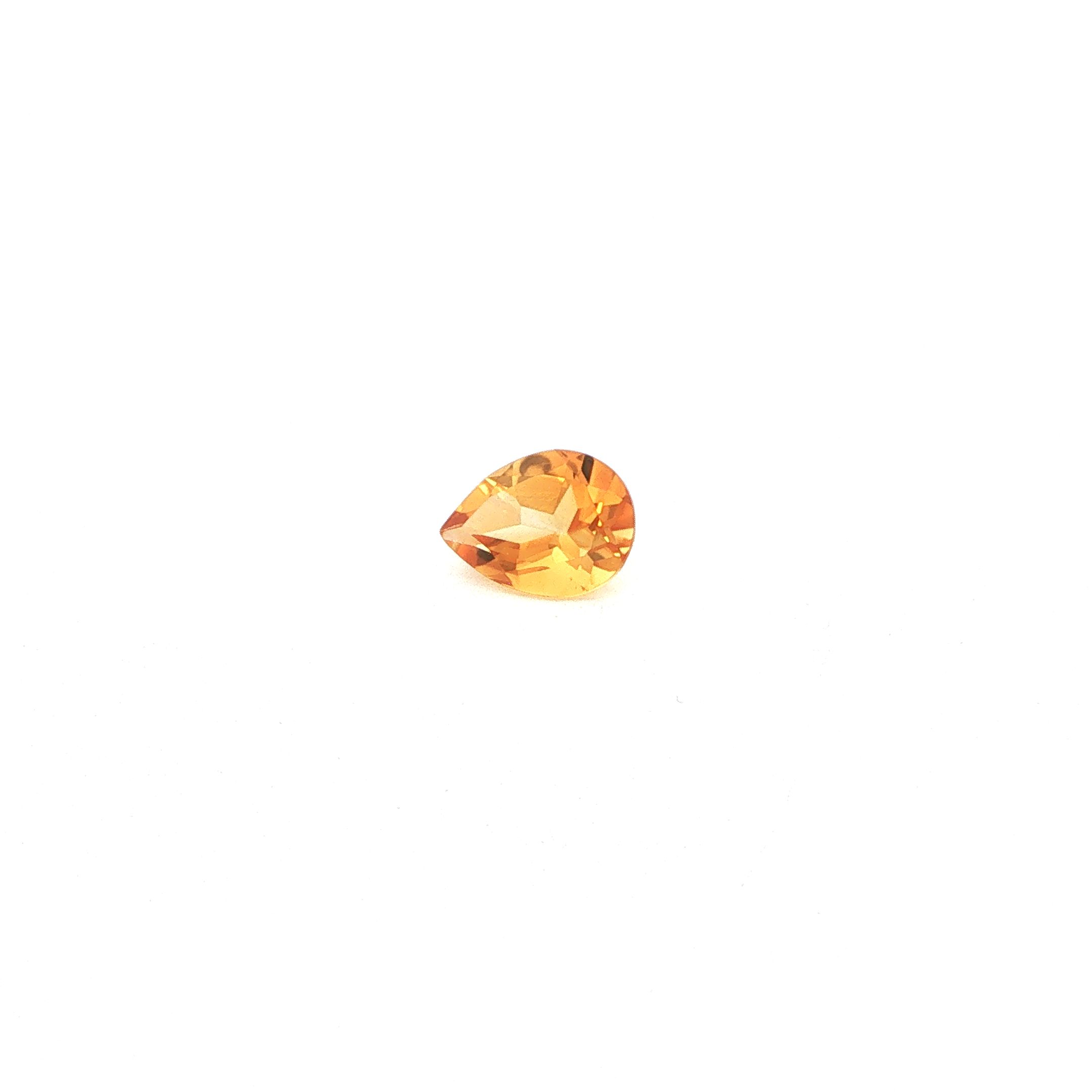
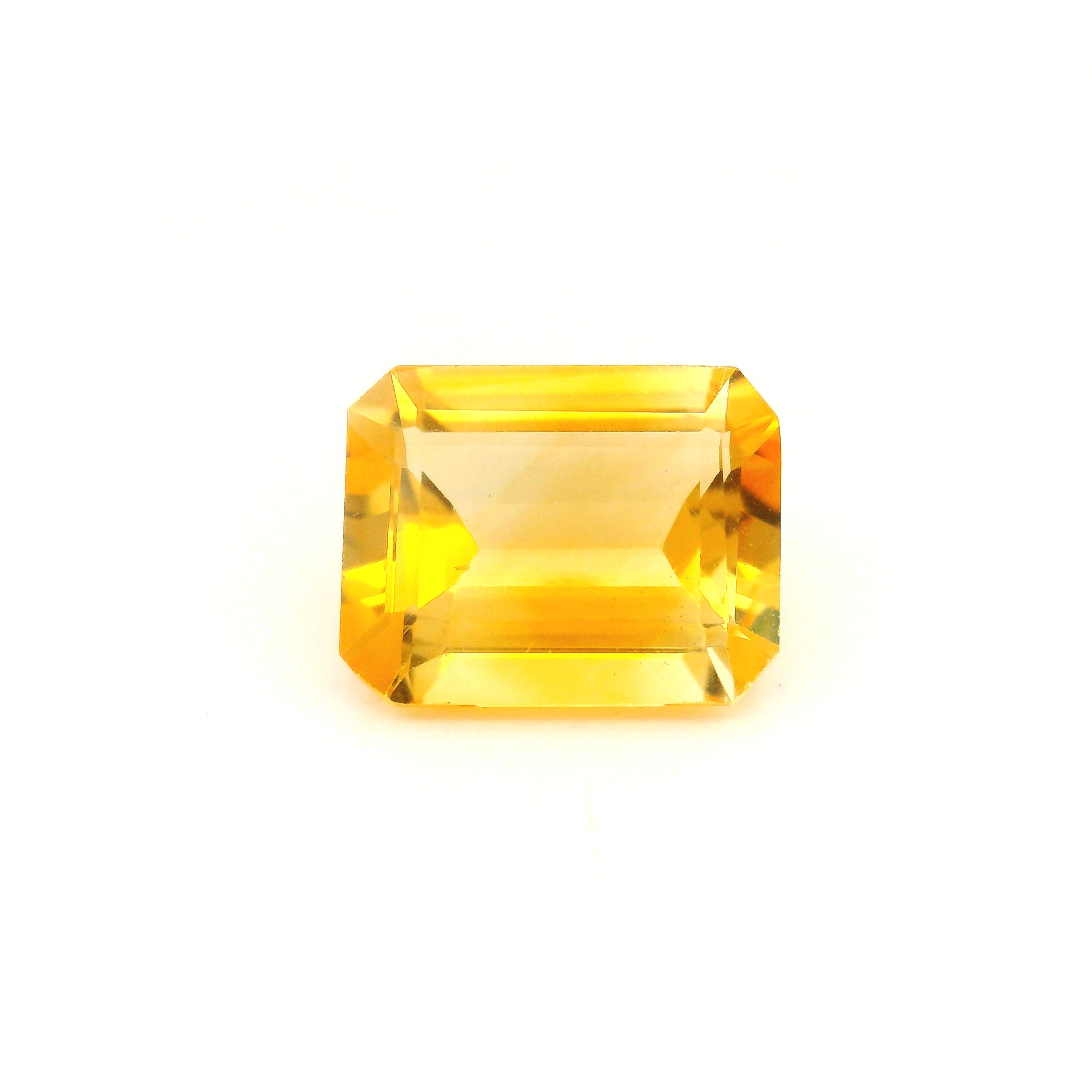
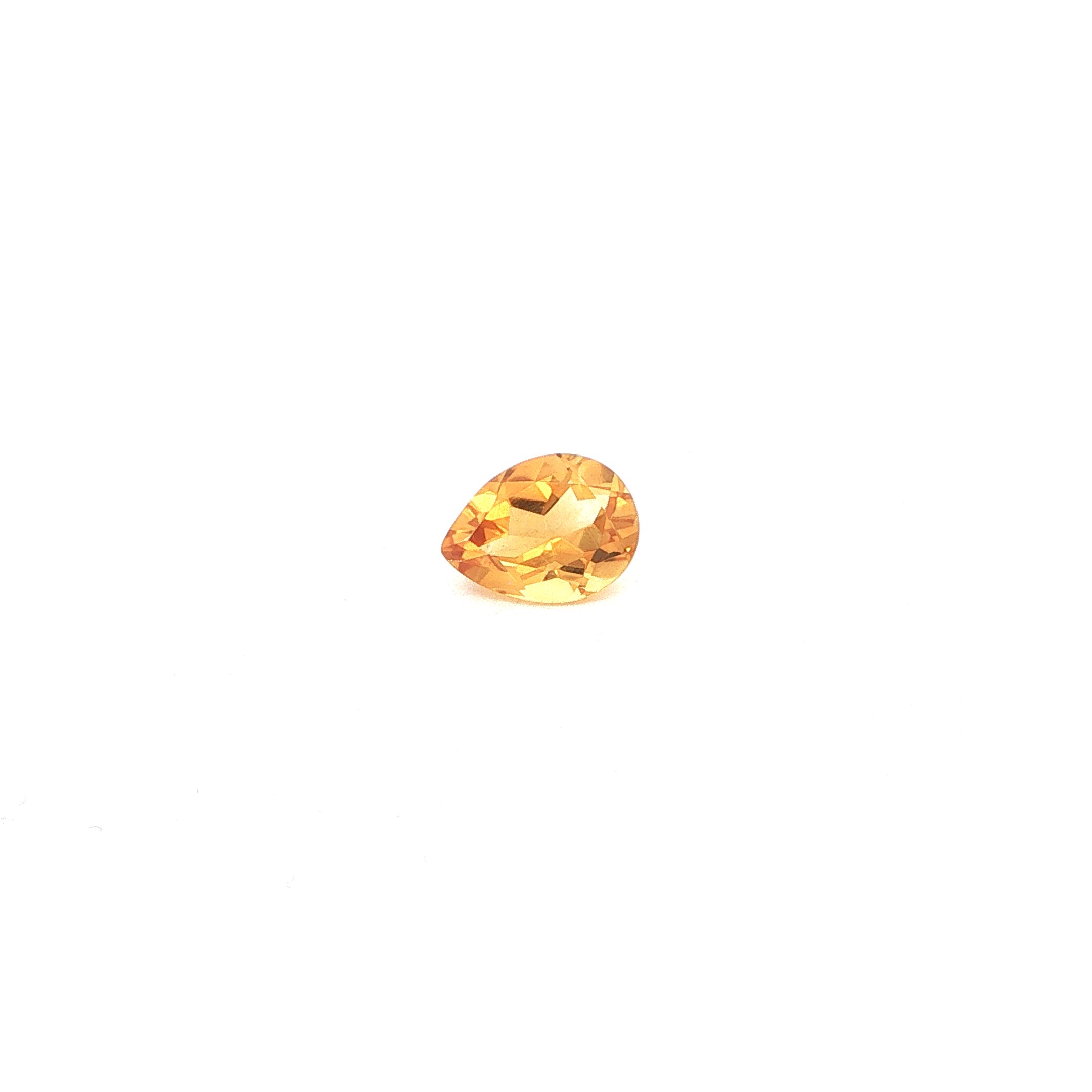
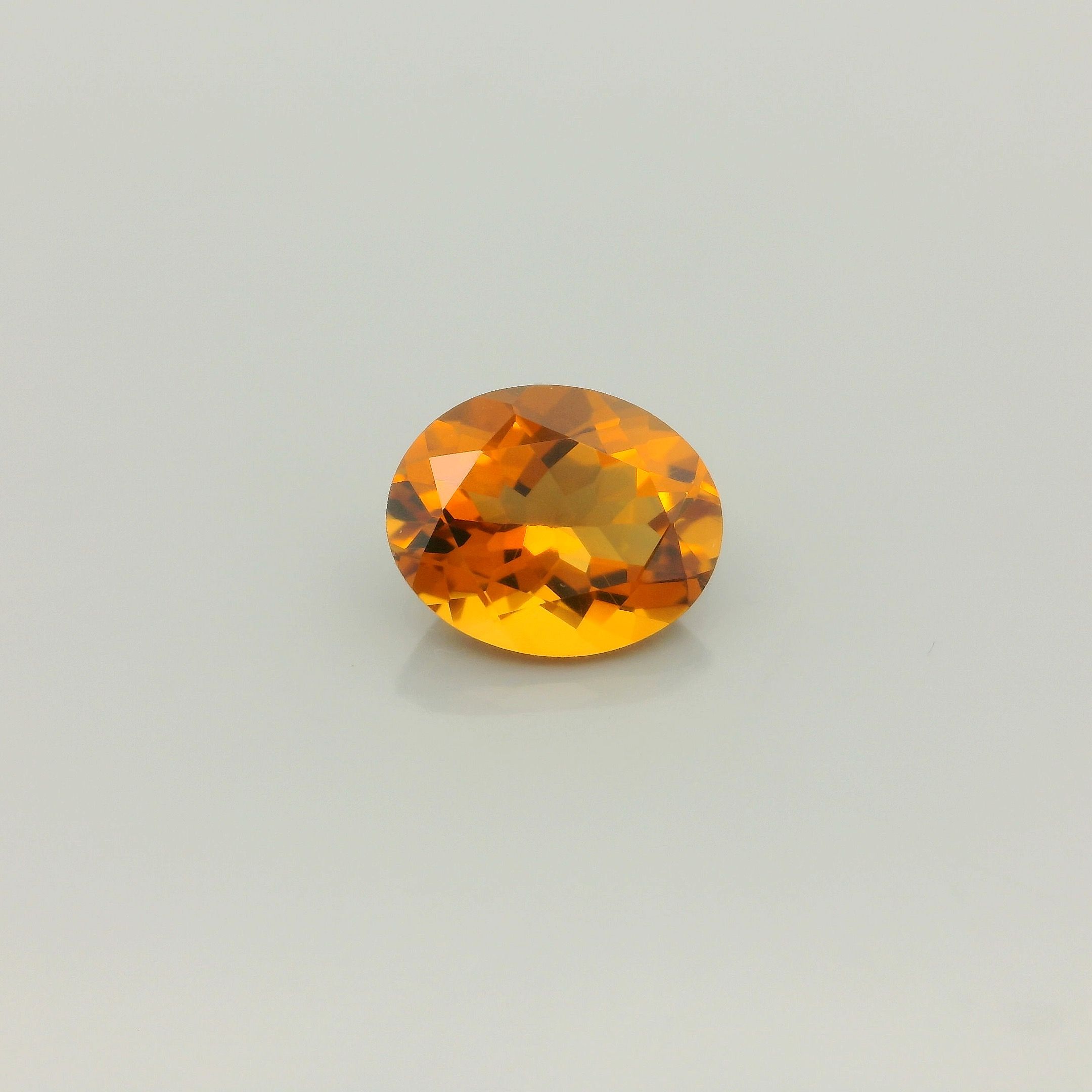
The most prized stones show the deeper Madeira and cognac tones with red modifiers, but pale lemon citrine is also widely worn for its cheerful brightness.
Daily wear
At Mohs 7, citrine is durable enough for daily wear in most settings. Quartz family stones are also abundant, so finding clean large stones is straightforward — 10-carat eye-clean citrines are widely available at modest prices.
Ultrasonic and steam cleaners are safe for clean stones. Avoid prolonged direct sunlight, which can fade saturation over decades.
Shop citrine pieces
Frequently asked
More from the gemstones guides
Written by
Anna
Jeweler · Formi Jewelry
Anna works with Formi clients on stone selection, setting design, and fit — making sure every piece is right before it’s made.
Book a consultation with our in-house jewelersLast updated May 2026