Natural versus lab-grown diamonds
A lab-grown diamond is a diamond. That sentence sounds like marketing, but it’s also chemistry. Both are carbon, crystallized in the same cubic lattice, with the same hardness, the same refractive index, and the same fire. A trained grader with a microscope can spot a few telltale growth patterns that hint at origin — but the average customer holding the stone will see no difference.
What changes is everything around the stone: price, environmental story, certification grading, and how the trade values the rock five years from now.
What’s identical
| Natural | Lab-grown | |
|---|---|---|
| Chemistry | Pure carbon | Pure carbon |
| Crystal structure | Cubic | Cubic |
| Mohs hardness | 10 | 10 |
| Refractive index | 2.42 | 2.42 |
| Density | 3.52 g/cm³ | 3.52 g/cm³ |
| Optical brilliance | Identical | Identical |
| Visible to the eye | No difference | No difference |
What changes
Price. Lab-grown diamonds cost roughly 30–70 % less than mined equivalents at the same 4Cs. As production capacity scales the gap widens; expect lab-grown prices to continue softening through the decade.
Provenance story. Mined diamonds carry the romance and the baggage of their industry — Kimberley Process, country-of-origin disclosure, the specific mine if you ask. Lab-grown carries the romance of materials science and a vastly smaller water + land footprint, but a meaningful carbon footprint if grown with grid electricity from a coal-heavy mix. Neither is automatically "ethical." Ask where it came from.
Resale. A natural diamond is a commodity with a sixty-year-old global secondary market. Lab-grown isn’t there yet. If "I might trade up in ten years" is part of your plan, that nudges natural; if "this ring is forever" actually means forever, the math leans lab-grown.
Grading reports. GIA grades both, but historically used a slightly broader scale for lab-grown (Excellent / Very Good rather than letter grades). That changed in 2020 — GIA now grades lab-grown stones identically. IGI grades both with the full 4Cs scale and is the more common report on lab-grown stones in the trade.
How to decide
It’s rarely a values question. It’s usually a budget question dressed up as a values question. Lab-grown lets the same money buy a larger, cleaner, better-cut stone — and the eye can’t tell. If you want the same carat weight at the lowest cost, choose lab-grown. If you want the most recoverable resale value or the longest paper trail back to a specific mine, choose natural.
A working rule: if the difference in price would change the size or quality of the setting you can afford, the answer is lab-grown.
Our position
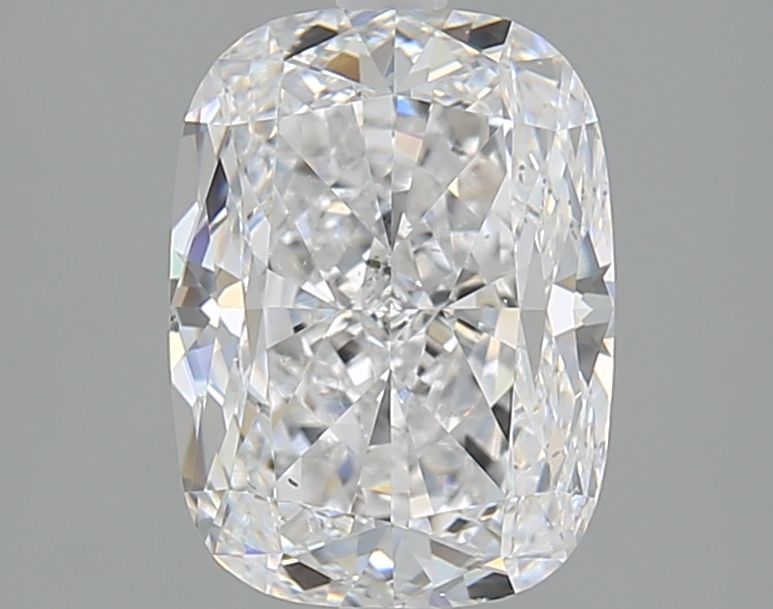
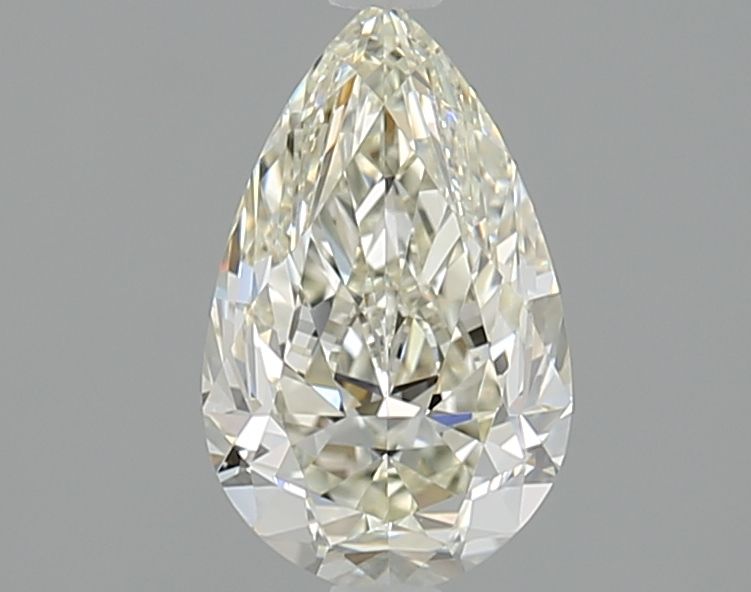
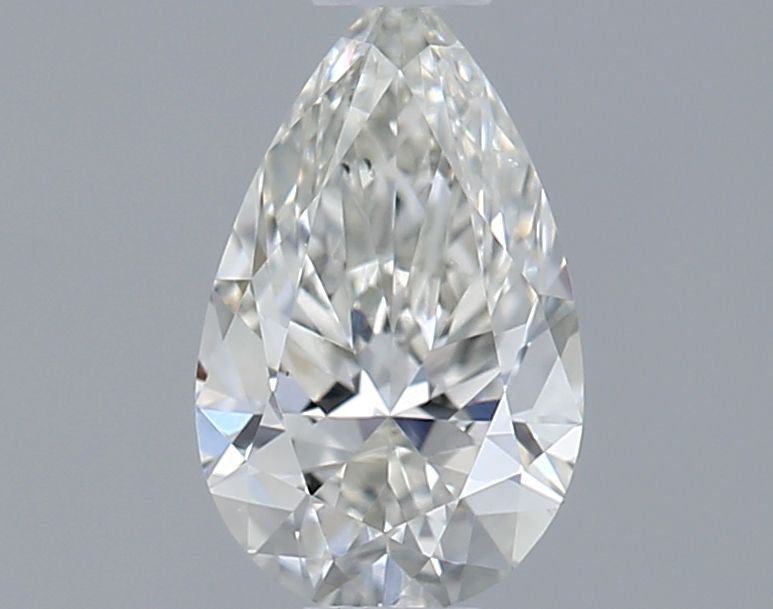
We sell both. Pieces in our catalog are labeled clearly; both come with a GIA or IGI report. If you have a budget, we’ll show you what each choice gets you at that number.
Browse diamonds in stock
Frequently asked
More from the diamonds guides
Written by
Anna
Jeweler · Formi Jewelry
Anna works with Formi clients on stone selection, setting design, and fit — making sure every piece is right before it’s made.
Book a consultation with our in-house jewelersLast updated May 2026